Why a dripper and a hand grinder can suit a small kitchen better than a pod machine: for the counter and the routine.
Disclosure: We may earn a commission when you buy through links on this page. It never changes what we recommend. Details
The footprint math
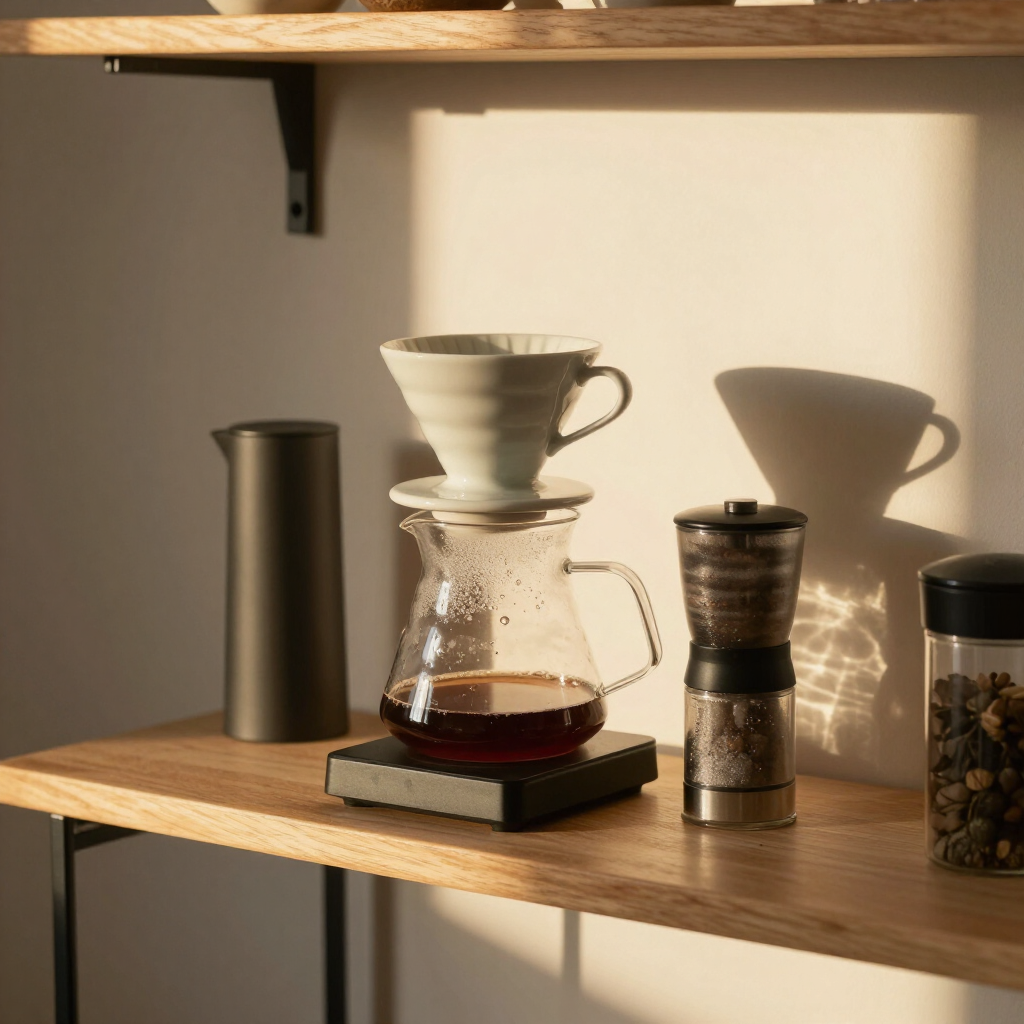
Many pod machines are larger than a dripper and a slim hand grinder, need an outlet and use capsules made for them. A pour-over setup needs no electricity for brewing and can store on a shelf. When counter space is the scarcest resource in your home, that trade is worth weighing, though the exact sizes depend on the models you compare.
The few-minute ritual
Weigh your beans if you can, and grind to the size the dripper's maker suggests. Rinsing the paper filter first is common practice, and wetting the grounds briefly before the main pour is a common step. Then pour in slow spirals. Following the manufacturers' instructions for your dripper and grinder matters more than any single recipe. The equipment cleans with a rinse, with no descaling cycle or water reservoir to manage.
Where it lives
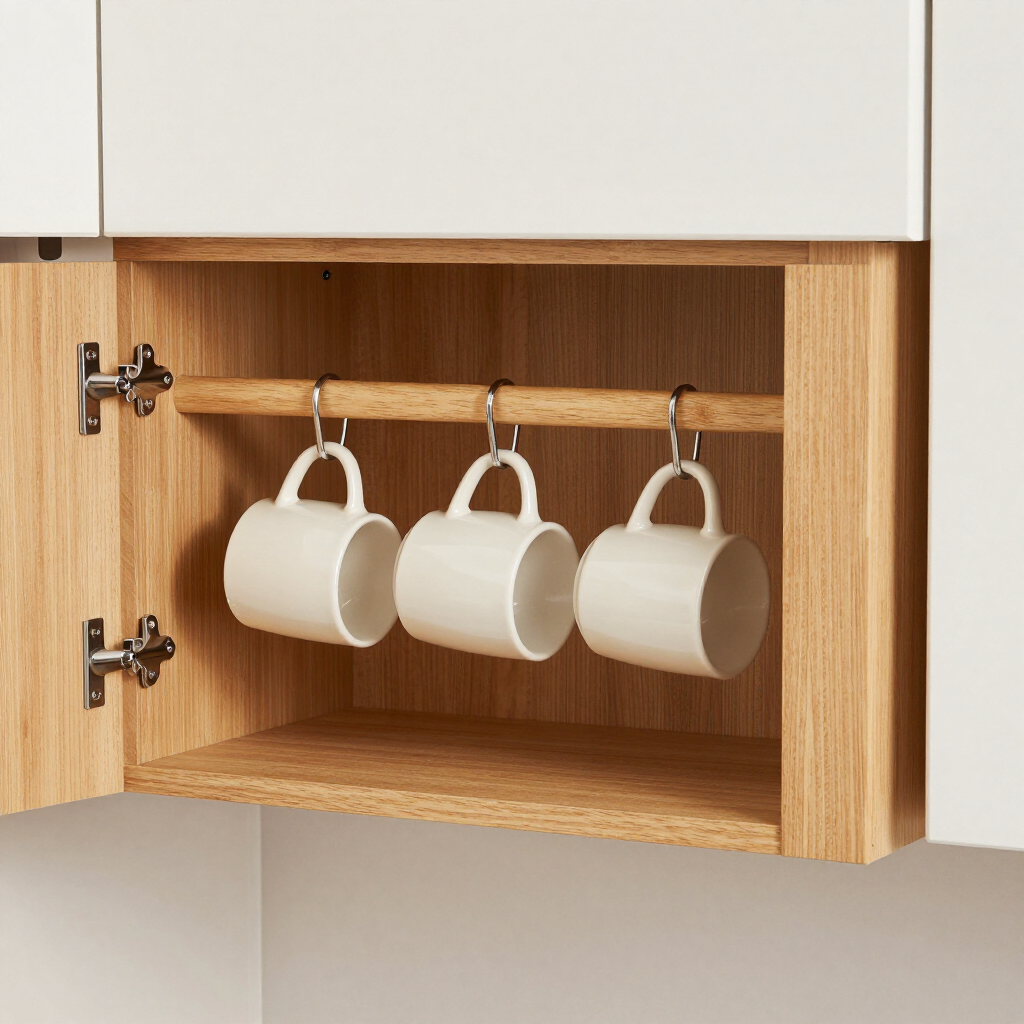
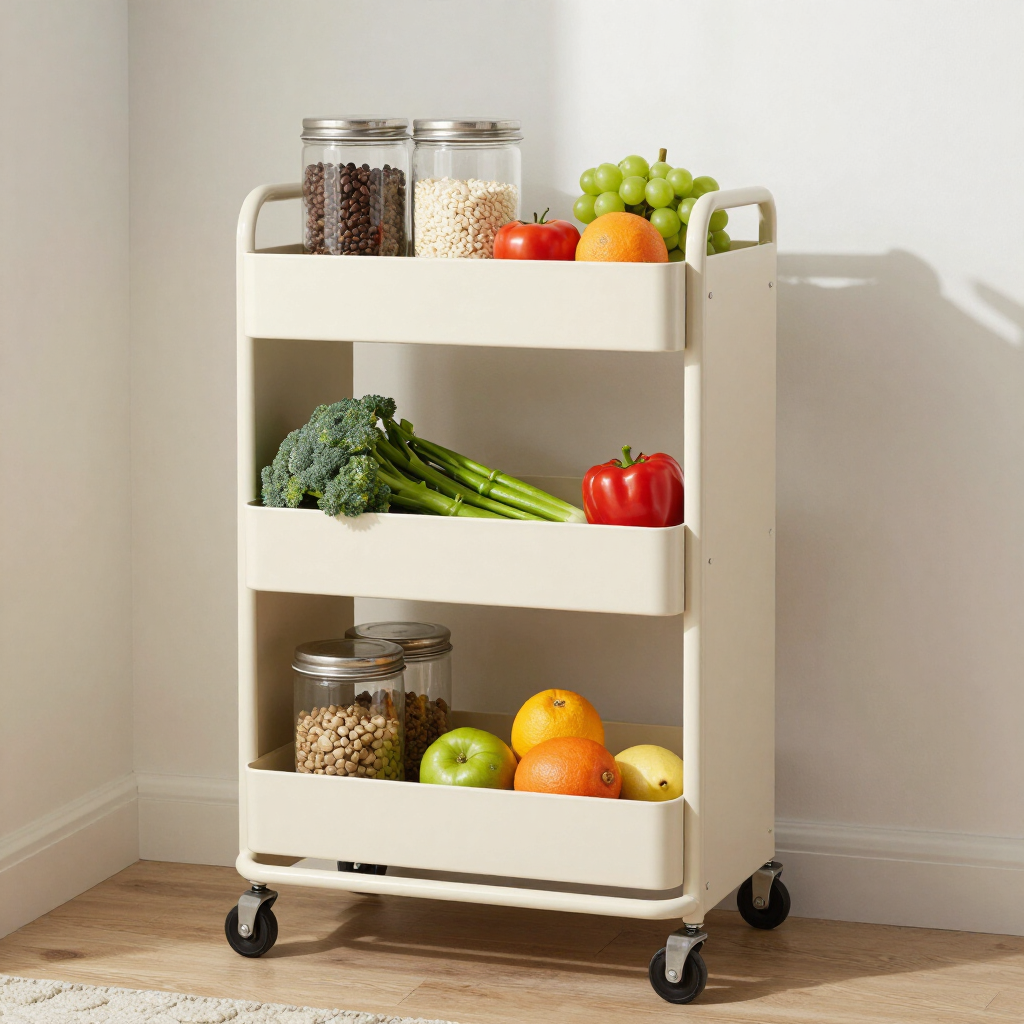
A dripper and grinder can stand on a shelf where a bulky electric grinder might not fit; check the dimensions of the pieces you choose. Set them on the top tier of a rolling cart with beans and mugs below, and the coffee corner can roll out of the way after breakfast. If you hang mugs on an under-cabinet rack, check the installation method, the cabinet surface and your lease first.
The honest downside
Pour-over is not faster than a pod machine, and it asks for a little attention. If your mornings are genuinely chaotic, a pod machine is a reasonable choice. If you can spare a few minutes, pour-over offers manual control, a small storage footprint and no capsules to buy.